BLOG SUMMARY:
2 in 3 adults over 50 will develop low bone mass (osteopenia or osteoporosis).
Strength training is incredibly effective for slowing bone loss and building bone.
Key movements: deadlift (hinge), squat, and overhead press to load spine, hips, and arms.
Train 2–3 days/week, 2–3 sets of 5–8 reps, building intensity gradually over time.
Start simple, progress safely — bones adapt when exposed to new, challenging loads.
FULL BLOG:
Did you know that two out of three adults over 50 will be diagnosed with low bone mass (osteopenia or osteoporosis) in their lifetime?
The good news is that exercise — especially strength training at the right intensity — can slow bone loss and, in some cases, help build bone back up. If you’ve recently been diagnosed, or you’ve been told you’re at risk, it can feel overwhelming to know where to start. That’s where we come in.
Why Strength Training Matters
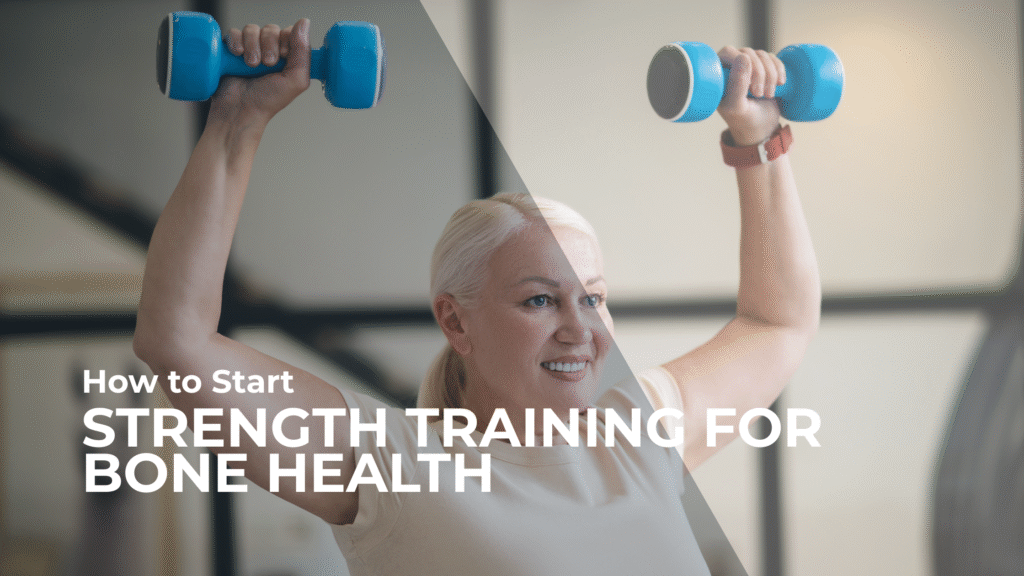
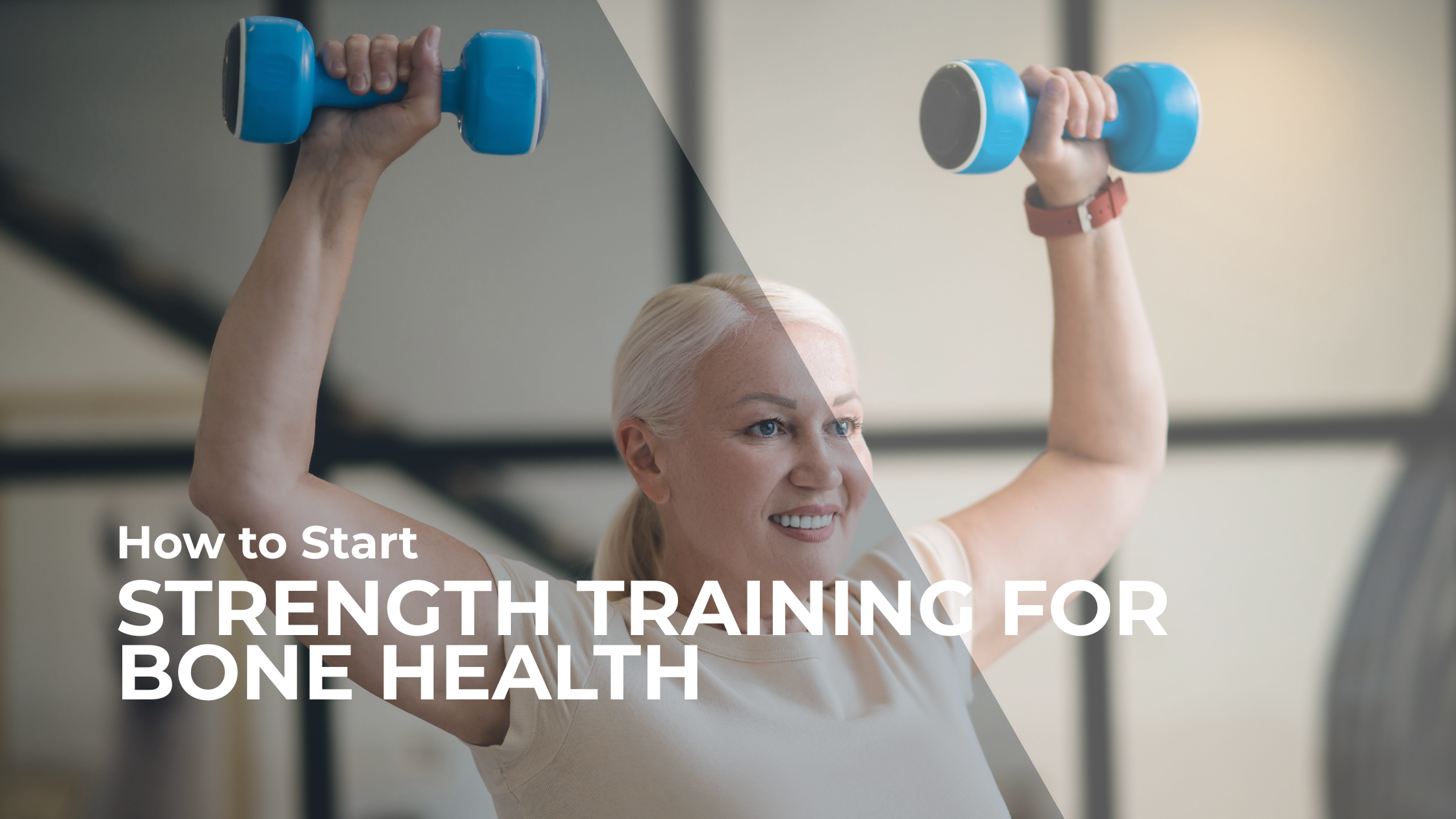
Bones adapt when they’re challenged. Just like muscles, if they’re exposed to load they’re not used to, they gradually grow stronger. The type of strength training proven to support bone health involves lifting weights at a “hard to very hard” effort level.
If that sounds a little intimidating, don’t worry. We never start people at maximum intensity. Instead, we build up gradually so your body adapts safely and confidently.
Foundational Movements
Three key movements that target the areas most often affected by osteoporosis-related fractures are:
- Hinge (Deadlift): strengthens the hips and spine
- Squat: loads the hips and spine, builds lower-body resilience
- Overhead Press: strengthens the arms and shoulders
These exercises work because they load bones in the spine, hips, and arms — the very places where fractures are most common.
They are a great starting point if you are unsure where to begin, and lay a platform for other strength movements you can learn in the future.
Guidelines for Strength Training with Osteoporosis
Frequency: 2–3 non-consecutive days per week
Volume: 2–3 sets of 5–8 reps, with 1–2 minutes rest between sets
Intensity: Progress toward 75–85% of your one-rep max (or a 5–8/10 on the Rate of Perceived Exertion scale — “hard to very hard”)
Equipment: Barbells, dumbbells, kettlebells, or even household items — anything that allows progressive loading
Important considerations:
- Always learn correct technique and posture first
- Progress gradually, especially if you have fractures or musculoskeletal conditions
- Avoid excessive spine flexion and twisting
- Prioritise standing, weight-bearing movements
- Seek guidance if you’re unsure — working with a professional is recommended
Getting Started
Starting a strength program for bone health can feel daunting, especially if you’ve never lifted weights before. That’s why working with an Accredited Exercise Physiologist (AEP) makes such a difference. We tailor your program to your history, your confidence level, and your goals.
At You Move Health & Rehab, we specialise in supporting people diagnosed with, or wanting to prevent osteopenia and osteoporosis to stay strong, mobile, and independent. Our programs include:
- Individualised strength and balance training
- Education on bone-building movements
- Coordination with your GP or specialist
- Long-term support to keep you confident and consistent
👉 If you’d like help starting your journey, book a consultation today. Your bones — and your future self — will thank you.